

In the mid-19th century, a wealthy
Tatar entrepreneur named Sharafbay (Sharafiddin Bay) built a mosque, which
survives today in a reduced form: when Farabi Street was widened in the 1970s,
the minaret and part of the fence were demolished.
Currently, the building remains,
complete with a dome, plastered interior, and an aiwan with a painted ceiling
on carved columns and carved ornamentation on the walls.
The building houses the Kushtut
Gallery, featuring exhibits on calligraphy and old handwritten manuscripts.
During the reconstruction of the
aiwan, part of the ceiling and columns were left in their original form.
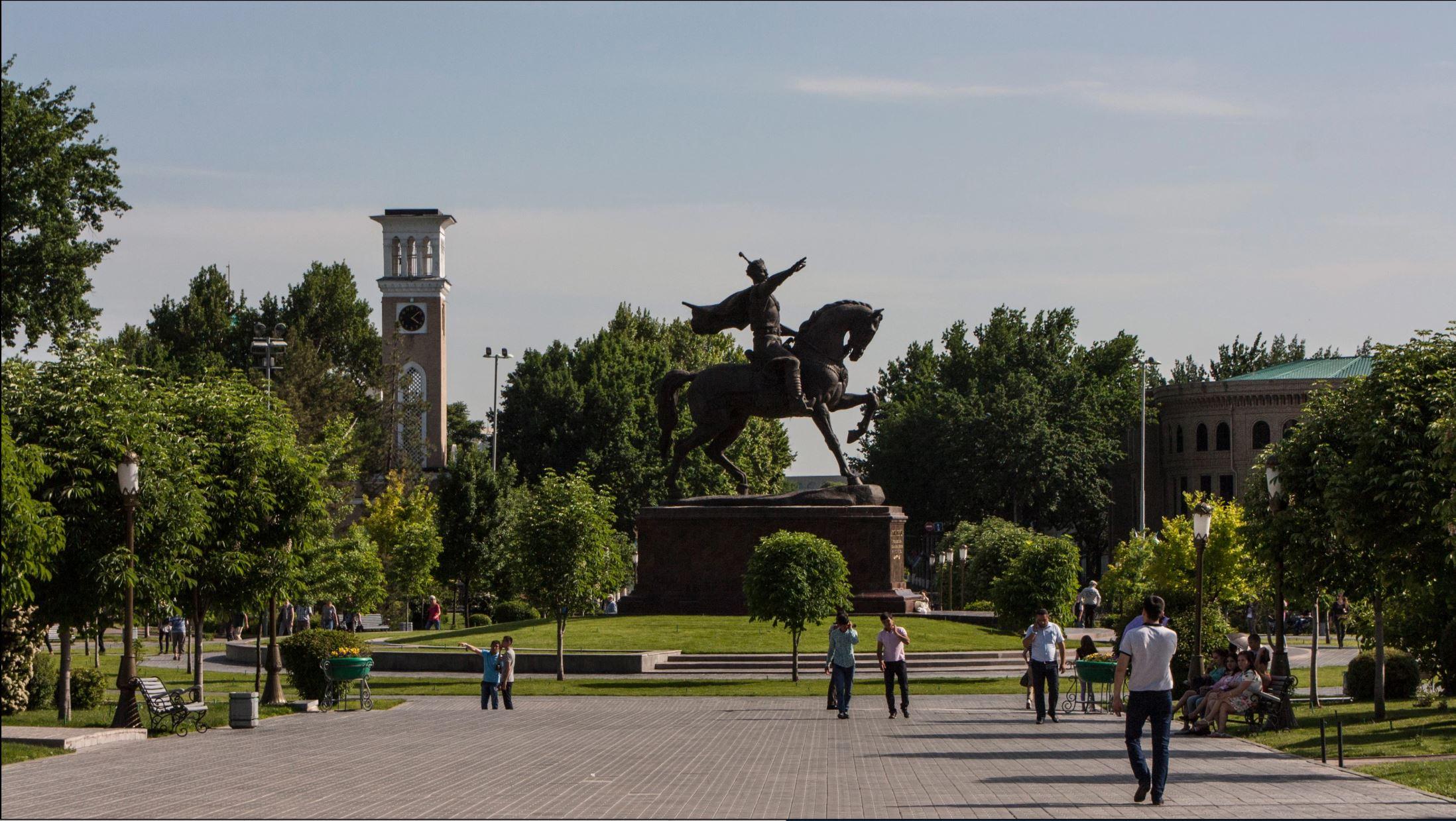
As you have already understood, Tamerlane's personality is very important for Uzbekistan, therefore,...
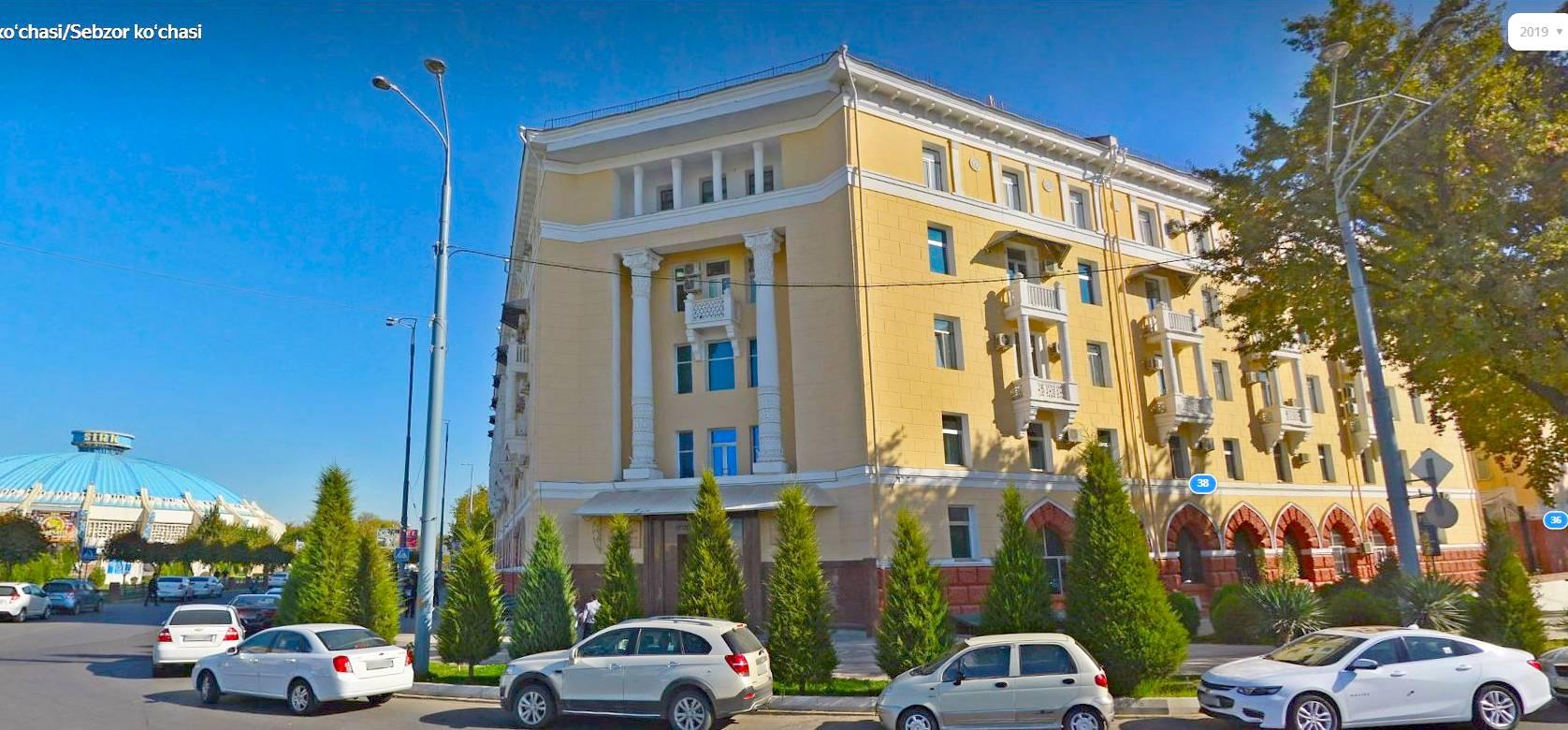
The building is well known to every Tashkent resident: for nearly 80 years, it visually “anchors” H...
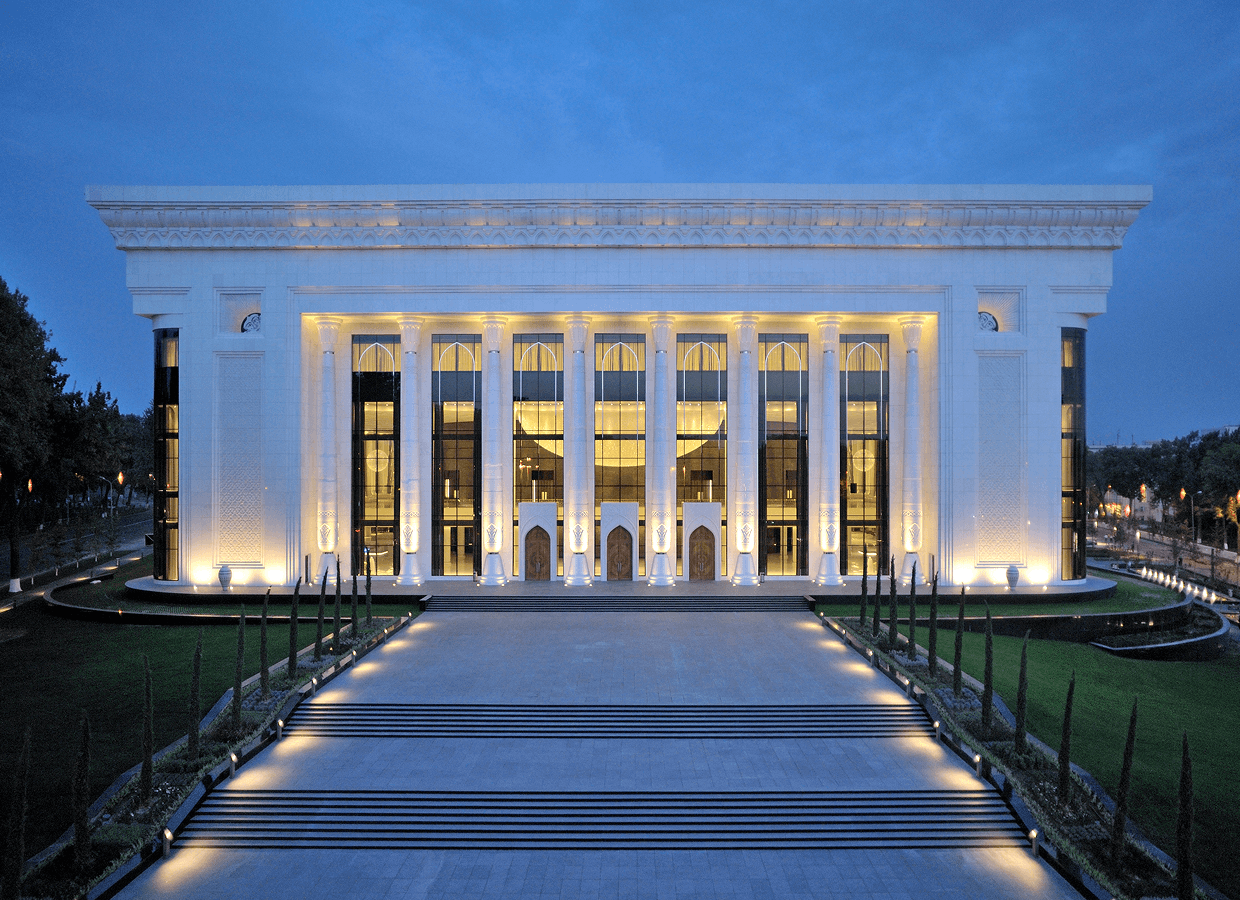
The International Forums Palace “Uzbekistan” is one of the most magnificent and modern architectural...
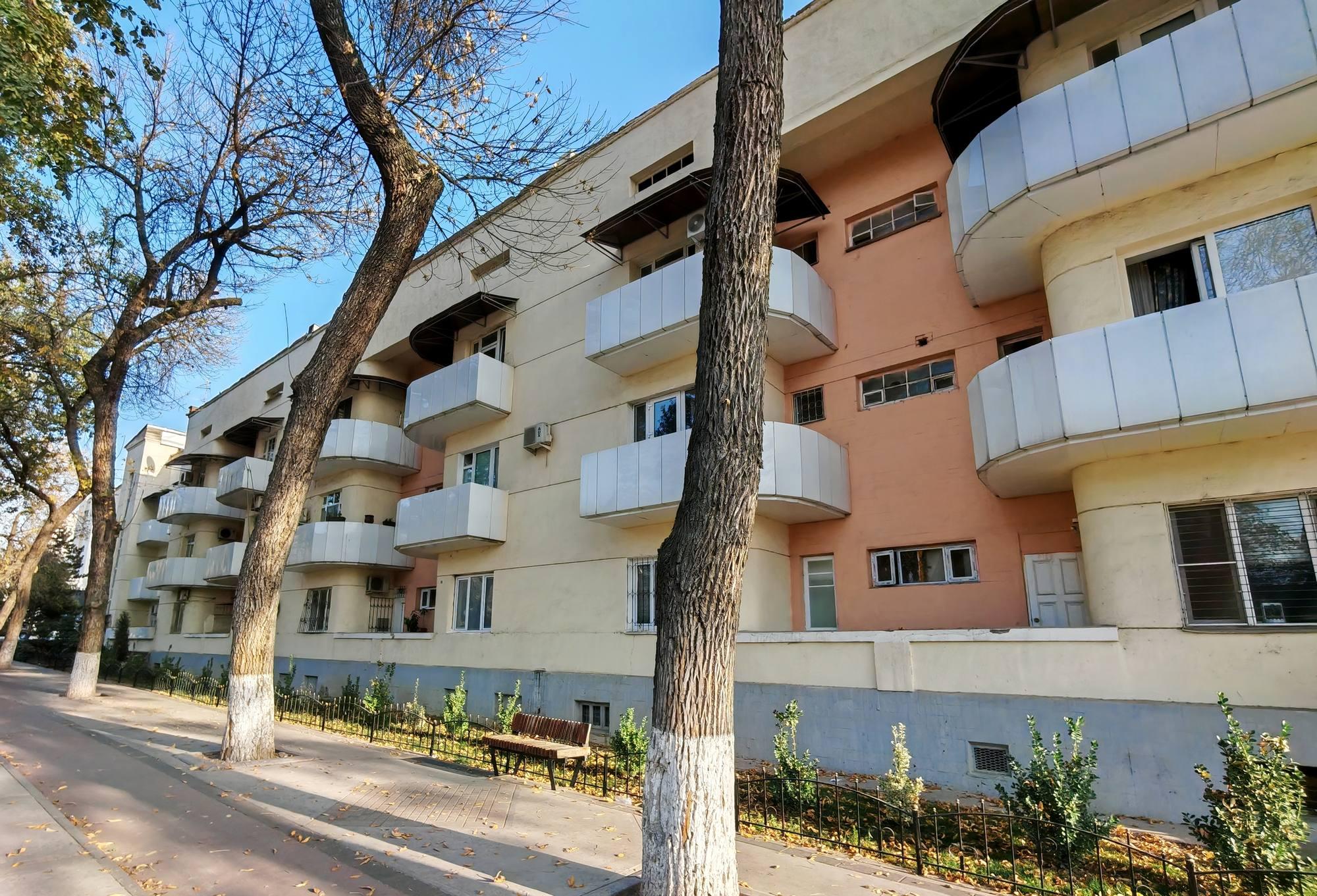
The residential building on the former Pushkin Street was built in 1931 according to the design of ...